
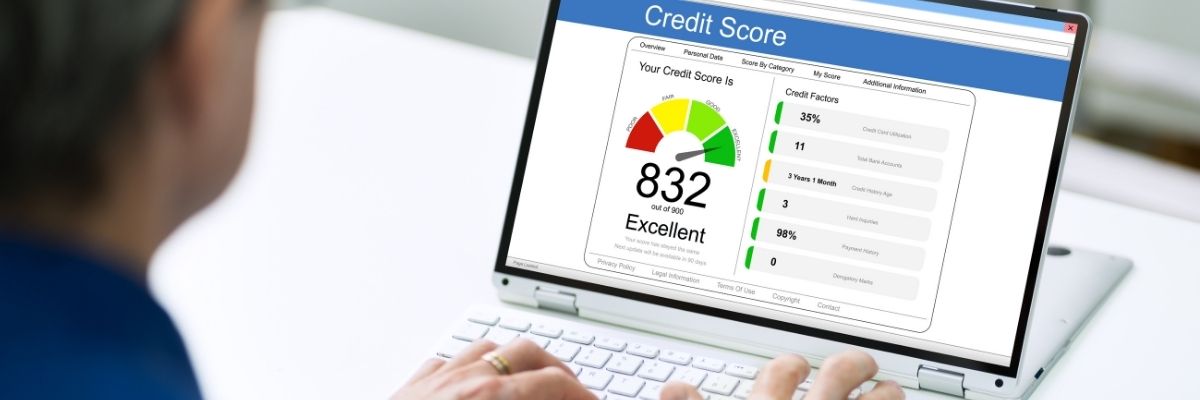
Your credit score is a three-digit number that represents your creditworthiness. It plays a crucial role in many aspects of your financial life, from securing loans and mortgages to renting an apartment and even getting a job. A good credit score can save you money on interest rates and open doors to opportunities, while a poor credit score can limit your options and make life more expensive. Understanding how to repair and improve your credit score is therefore essential for financial well-being.
This article provides a comprehensive guide on how to understand, repair, and improve your credit score. We’ll cover the essential steps you can take to build a strong credit history and achieve your financial goals.
| Action | Explanation | Resources/Tools |
|---|---|---|
| Check Your Credit Report | Obtain your credit reports from all three major credit bureaus (Equifax, Experian, and TransUnion) at least once a year. Review them carefully for errors, inaccuracies, and outdated information. These errors can negatively impact your score, and correcting them is a crucial first step. | AnnualCreditReport.com, Credit Karma, Credit Sesame, Experian, Equifax, TransUnion |
| Dispute Errors on Your Credit Report | If you find any errors on your credit report, dispute them directly with the credit bureau and the creditor involved. Provide supporting documentation to back up your claim. The credit bureau is required to investigate the dispute and correct any inaccuracies. | Sample dispute letters (available online), copies of payment records, account statements |
| Pay Bills on Time, Every Time | Payment history is the most significant factor influencing your credit score. Make sure to pay all your bills on time, every time. Set up automatic payments or reminders to avoid missing deadlines. Even one late payment can negatively affect your score. | Online banking bill pay, calendar reminders, budgeting apps |
| Keep Credit Utilization Low | Credit utilization refers to the amount of credit you’re using compared to your total available credit. Aim to keep your credit utilization below 30% on each credit card and overall. For example, if you have a credit card with a $1,000 limit, try to keep your balance below $300. Lower utilization demonstrates responsible credit management. | Credit card statements, budgeting apps, credit score simulators |
| Don’t Max Out Credit Cards | Maxing out credit cards is a major red flag for lenders and can significantly lower your credit score. It indicates that you’re relying heavily on credit and may be struggling to manage your finances. | Credit card statements, budgeting apps |
| Open a Secured Credit Card | A secured credit card requires you to put down a cash deposit as collateral. It’s a good option for individuals with limited or no credit history. Use the card responsibly, making on-time payments, and the issuer will report your activity to the credit bureaus, helping you build credit. | Banks and credit unions offering secured credit cards, online credit card comparison tools |
| Become an Authorized User | If you have a trusted friend or family member with a credit card in good standing, ask if you can become an authorized user on their account. Their positive payment history will be reflected on your credit report, helping you build credit. However, be aware that their negative payment history will also affect your score. | Discuss with the primary cardholder, review credit card terms and conditions |
| Consider a Credit-Builder Loan | A credit-builder loan is a small loan specifically designed to help you build credit. You make fixed payments over a set period, and the lender reports your payments to the credit bureaus. The funds from the loan are often held in a savings account until the loan is repaid. | Credit unions, community banks, online lenders specializing in credit-builder loans |
| Avoid Opening Too Many Accounts Quickly | Opening multiple credit accounts in a short period can lower your credit score. Each application triggers a hard inquiry, which can slightly reduce your score. Furthermore, lenders may view you as a higher risk if you’re applying for a lot of credit at once. | Credit score tracking tools, credit monitoring services |
| Be Patient and Persistent | Improving your credit score takes time and effort. There are no quick fixes. Be patient, stay consistent with your good credit habits, and monitor your progress regularly. It can take several months or even years to see significant improvements. | Credit score tracking tools, credit monitoring services |
| Understand Credit Scoring Models | Familiarize yourself with the different credit scoring models, such as FICO and VantageScore. Understand the factors that influence your score and how they are weighted. This knowledge will help you make informed decisions about your credit management. | FICO website, VantageScore website, financial literacy resources |
| Negotiate with Creditors | If you’re struggling to repay your debts, contact your creditors and try to negotiate a payment plan or settlement. They may be willing to work with you to avoid default, which can severely damage your credit score. | Contact information for your creditors, debt management plans |
| Consider Credit Counseling | If you’re overwhelmed by debt and struggling to manage your finances, consider seeking help from a reputable credit counseling agency. They can provide you with personalized advice and guidance on debt management, budgeting, and credit repair. | National Foundation for Credit Counseling (NFCC), Association for Financial Counseling & Planning Education (AFCPE) |
| Beware of Credit Repair Scams | Be wary of companies that promise to “fix” your credit score quickly or guarantee specific results. These are often scams that can further damage your credit and cost you money. Legitimate credit repair involves identifying and correcting errors on your credit report and building good credit habits over time. | Federal Trade Commission (FTC) resources on credit repair scams |
| Monitor Your Credit Regularly | Even after you’ve improved your credit score, continue to monitor your credit reports regularly for any signs of fraud or identity theft. Early detection can help you minimize the damage and protect your credit. | Credit Karma, Credit Sesame, Experian, Equifax, TransUnion |
Detailed Explanations
Check Your Credit Report: Your credit report is a detailed history of your credit activity. It includes information about your credit accounts, payment history, and any public records related to your credit. Checking your credit report regularly allows you to identify and correct any errors that may be negatively impacting your score. You are entitled to a free credit report from each of the three major credit bureaus (Equifax, Experian, and TransUnion) once a year at AnnualCreditReport.com.
Dispute Errors on Your Credit Report: If you find errors on your credit report, such as incorrect account balances, late payments that were not late, or accounts that don’t belong to you, dispute them with the credit bureau and the creditor involved. Provide documentation to support your claim. The credit bureau has a limited time (typically 30 days) to investigate the dispute and correct any inaccuracies.
Pay Bills on Time, Every Time: Payment history is the single most important factor in determining your credit score. Lenders want to see that you are a reliable borrower who pays your bills on time. Set up automatic payments or reminders to ensure you never miss a deadline. Even one late payment can negatively affect your score for several years.
Keep Credit Utilization Low: Credit utilization is the amount of credit you’re using compared to your total available credit. For example, if you have a credit card with a $1,000 limit and a balance of $300, your credit utilization is 30%. Experts recommend keeping your credit utilization below 30% to demonstrate responsible credit management.
Don’t Max Out Credit Cards: Maxing out your credit cards signals to lenders that you are struggling to manage your finances and are a higher risk borrower. It can significantly lower your credit score and make it harder to get approved for loans in the future.
Open a Secured Credit Card: A secured credit card is a good option for people with limited or no credit history. You deposit a cash amount with the card issuer, which serves as collateral. The card works like a regular credit card, and your payment activity is reported to the credit bureaus, helping you build credit.
Become an Authorized User: Becoming an authorized user on a credit card account held by someone with a good credit history can help you build credit. The primary cardholder’s positive payment history will be reflected on your credit report. However, be cautious, as the primary cardholder’s negative payment history will also negatively affect your score.
Consider a Credit-Builder Loan: A credit-builder loan is a small loan specifically designed to help you build credit. You make fixed payments over a set period, and the lender reports your payments to the credit bureaus. The funds from the loan are often held in a savings account until the loan is repaid.
Avoid Opening Too Many Accounts Quickly: Opening multiple credit accounts in a short period can lower your credit score. Each application triggers a hard inquiry, which can slightly reduce your score. Furthermore, lenders may view you as a higher risk if you’re applying for a lot of credit at once.
Be Patient and Persistent: Improving your credit score takes time and effort. There are no quick fixes. Be patient, stay consistent with your good credit habits, and monitor your progress regularly. It can take several months or even years to see significant improvements.
Understand Credit Scoring Models: Familiarize yourself with the different credit scoring models, such as FICO and VantageScore. These models use different factors to calculate your credit score, but they all generally consider payment history, credit utilization, length of credit history, types of credit used, and new credit.
Negotiate with Creditors: If you’re struggling to repay your debts, contact your creditors and try to negotiate a payment plan or settlement. They may be willing to work with you to avoid default, which can severely damage your credit score.
Consider Credit Counseling: If you’re overwhelmed by debt and struggling to manage your finances, consider seeking help from a reputable credit counseling agency. They can provide you with personalized advice and guidance on debt management, budgeting, and credit repair.
Beware of Credit Repair Scams: Be wary of companies that promise to “fix” your credit score quickly or guarantee specific results. These are often scams that can further damage your credit and cost you money. Legitimate credit repair involves identifying and correcting errors on your credit report and building good credit habits over time.
Monitor Your Credit Regularly: Even after you’ve improved your credit score, continue to monitor your credit reports regularly for any signs of fraud or identity theft. Early detection can help you minimize the damage and protect your credit.
Frequently Asked Questions
How often should I check my credit report?
You should check your credit report at least once a year from each of the three major credit bureaus, and even more frequently if you suspect fraud or identity theft.
What is a good credit score?
Generally, a credit score of 700 or higher is considered good, while a score of 750 or higher is considered excellent.
How long does it take to improve my credit score?
The time it takes to improve your credit score depends on the severity of your credit issues and the steps you take to address them. It can take several months to years to see significant improvements.
Will paying off debt immediately improve my credit score?
Yes, paying off debt, especially revolving debt like credit cards, can improve your credit utilization and positively impact your credit score.
Does closing a credit card account hurt my credit score?
Closing a credit card account can potentially hurt your credit score, especially if it reduces your overall available credit or if it’s one of your oldest accounts. Consider the impact on your credit utilization before closing an account.
What is a hard inquiry?
A hard inquiry occurs when a lender checks your credit report to make a lending decision. Too many hard inquiries in a short period can negatively impact your credit score.
Can I remove negative information from my credit report?
You can only remove negative information from your credit report if it’s inaccurate or outdated. Accurate negative information will typically remain on your report for seven years (bankruptcies can stay for 10).
What is the difference between FICO and VantageScore?
FICO and VantageScore are two different credit scoring models. They use slightly different algorithms and weight the factors in your credit report differently.
Can I get a loan with bad credit?
It’s possible to get a loan with bad credit, but you’ll likely pay a higher interest rate and face stricter terms. Consider improving your credit score before applying for a loan if possible.
How does bankruptcy affect my credit score?
Bankruptcy can severely damage your credit score and remain on your credit report for up to 10 years.
Conclusion
Repairing and improving your credit score is a journey that requires patience, discipline, and a commitment to responsible financial habits. By understanding the factors that influence your score and taking the necessary steps to address any issues, you can build a strong credit history and achieve your financial goals.